What Does Hi-vis Class 1, 2 and 3 Mean in Warehousing and Logistics?
Posted 24 Nov 2026
share
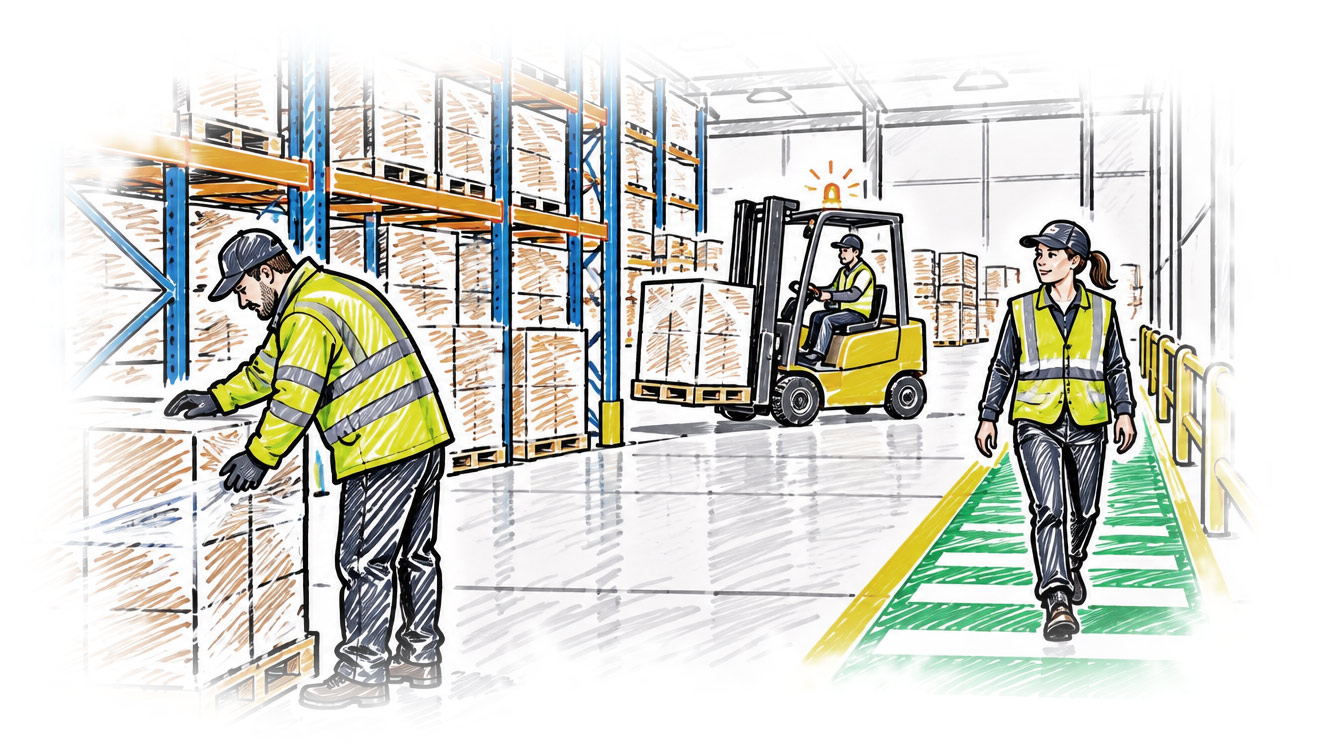
In busy warehouses and logistics environments, being seen can make a significant difference to workplace safety.
From forklift trucks moving through warehouse aisles to HGVs reversing into loading bays, employees regularly work alongside moving vehicles, machinery and other potential hazards. Making sure workers are clearly visible is an important part of reducing the risk of accidents.
High-visibility (hi-vis) clothing helps achieve this, but not all hi-vis garments offer the same level of protection.
You may have come across Class 1, Class 2 and Class 3 high-visibility clothing. But what do these classifications actually mean, and which is right for your warehouse or logistics operation?
In this guide, we explain the differences between the three classes, what the EN ISO 20471 standard covers and what businesses should consider when choosing high-visibility workwear for their teams.
What Is EN ISO 20471?
EN ISO 20471 is the recognised European and international standard for high-visibility clothing. It specifies the requirements garments must meet to help ensure workers can be seen in different working conditions.
The standard is based on the amount of fluorescent and reflective material used in a garment, with three classifications offering different levels of visibility.
High-visibility clothing uses two main types of material:
Fluorescent material
Usually yellow, orange or red, fluorescent material helps workers stand out against their surroundings during daylight and in poor weather conditions. This can be particularly useful in busy warehouse environments where backgrounds, racking and equipment can make it difficult to spot individual workers easily.
Reflective material
Reflective strips help workers become more visible when light shines on them. This is particularly important around vehicle headlights, reversing lights and external loading areas where lighting conditions may be reduced.
The three classes indicate the minimum areas of fluorescent and reflective material required. Class 1 offers the lowest level of visibility, while Class 3 provides the highest.
Class 1: Basic Visibility
Class 1 provides the lowest level of visibility under EN ISO 20471.
Garments in this category contain less fluorescent and reflective material than Class 2 and Class 3 clothing.
For warehouse and logistics businesses, Class 1 may be appropriate for certain lower-risk activities where employees are well separated from moving vehicles and machinery.
For example, this might include work in controlled areas where pedestrian and vehicle movements are strictly segregated.
However, Class 1 should not automatically be considered suitable for general warehouse operations. Forklift movements, vehicle routes and loading activities can create additional risks, even within an otherwise controlled environment.
Class 1 may be suitable for:
Certain low-risk warehouse activities.
Controlled environments with effective pedestrian segregation.
Tasks where employees are kept away from moving vehicles.
Some maintenance activities in restricted areas.
A suitable workplace risk assessment should always determine whether Class 1 provides sufficient visibility.
Class 2: Greater Visibility
Class 2 offers a higher level of visibility than Class 1 and is commonly used across transport, logistics and distribution environments.
These garments contain larger areas of fluorescent and reflective material, helping employees stand out more clearly in busy workplaces.
For many warehousing and logistics operations, Class 2 is an important consideration, particularly where employees regularly work around moving vehicles.
Class 2 may be suitable for:
Warehouse operatives working around forklift trucks.
Employees working in goods-in and goods-out areas.
Staff involved in loading and unloading vehicles.
Distribution centre employees working around vehicle movements.
Delivery and transport personnel.
Employees working in busy yard environments, depending on the risk assessment.
Common Class 2 garments include high-visibility waistcoats, jackets, polo shirts and other certified workwear.
For businesses operating large warehouses or distribution centres, providing suitable Class 2 clothing can help improve worker visibility across different operational areas.
It is important to remember that Class 2 is not automatically suitable for every logistics environment. Where vehicle speeds, traffic volumes, lighting or other hazards increase, a higher classification may be necessary.
Class 3: The Highest Level of Visibility
Class 3 provides the highest level of visibility under EN ISO 20471.
These garments contain the largest areas of fluorescent and reflective material, helping workers remain visible in more demanding environments and conditions.
Class 3 garments must provide coverage of the torso and include reflective bands on the sleeves or full-length trouser legs, meeting the relevant standard requirements.
Within the logistics sector, Class 3 may be appropriate for employees working in particularly high-risk areas, especially where there is significant vehicle movement or reduced visibility.
Class 3 may be required for:
Employees working in busy external vehicle yards.
Staff working close to moving HGVs.
Workers operating in areas with significant vehicle movements.
Employees working during night-time operations.
Certain loading and unloading activities.
Operations where a risk assessment identifies a need for the highest level of visibility.
Common Class 3 garments include high-visibility jackets, coveralls and certified combinations of compatible garments.
For example, employees working in external distribution yards during the winter months may need a higher level of visibility than colleagues working in a controlled internal warehouse environment.
What’s the Difference Between Class 1, 2 and 3?
The main difference between the three classifications is the minimum amount of fluorescent and reflective material required.
Under EN ISO 20471, the minimum material requirements are:
Minimum areas of fluorescent and reflective material by clothing class, EN ISO 20471.
Clothing class
Fluorescent material
Reflective material
Class 1
0.14 m²
0.10 m²
Class 2
0.50 m²
0.13 m²
Class 3
0.80 m²
0.20 m²
In simple terms, the higher the classification, the more visible material the garment contains.
This helps workers stand out in different lighting conditions and working environments.
Which High-Visibility Clothing Does Your Warehouse Need?
Choosing the right high-visibility clothing is about more than simply issuing every employee a fluorescent waistcoat.
Warehouses and logistics operations often contain several different working environments, each with its own risks.
A large distribution centre, for example, may have internal picking aisles, forklift routes, loading bays, external vehicle yards and pedestrian walkways.
Each area should be considered when deciding what level of visibility is appropriate.
Here are some important factors to consider.
1. Forklift and Vehicle Movements
Forklift trucks are a common feature of warehouse operations. With vehicles moving between aisles, racking, loading areas and storage locations, it is important that pedestrians are easily identifiable.
Consider how frequently employees work near moving vehicles and whether they cross designated vehicle routes.
The visibility requirements for someone working in a pedestrian-only picking area may differ from those of an employee regularly working alongside forklift trucks.
2. Loading Bays and Goods-In/Goods-Out Areas
Loading bays are particularly busy areas where warehouse employees, drivers and vehicles often work in close proximity. Employees may be involved in unloading trailers, checking deliveries, moving pallets or preparing outgoing orders.
Vehicle movements, reversing manoeuvres and restricted visibility can all increase the potential for accidents.
Appropriate high-visibility clothing should form part of the wider loading bay safety arrangements.
3. External Distribution Yards
External yards can present additional visibility challenges.
Changing weather, poor lighting and vehicle movements can all make it more difficult for drivers to identify pedestrians.
This is particularly relevant for pallet distribution, parcel delivery and large-scale fulfilment operations.
Where employees work close to moving HGVs or other vehicles, the risk assessment should consider whether Class 3 clothing is necessary.
4. Lighting and Working Conditions
Not every warehouse operates during daylight hours.
Many logistics businesses run 24-hour operations, with employees working early mornings, late evenings and overnight shifts.
Loading bays and external yards may also have areas where lighting is limited.
Reflective material becomes especially important in these environments, helping workers become more visible when illuminated by vehicle lights or other artificial lighting.
5. Comfort and Practicality
Safety clothing needs to be suitable for the job.
Warehouse employees may spend long shifts walking, lifting, picking and handling goods. Clothing that is uncomfortable, poorly fitted or unsuitable for the working temperature can affect whether it is worn correctly.
Consider:
Breathable fabrics for physically demanding indoor work.
Lightweight waistcoats and polo shirts for warmer environments.
Waterproof jackets for external yard operations.
Thermal and insulated options for cold storage facilities.
Suitable sizing and fit for all employees.
The right combination of comfort, practicality and visibility can help support consistent PPE compliance across your workforce.
Can You Combine Different High-Visibility Garments?
Yes, certain high-visibility garments can be combined to achieve a higher classification.
For example, a suitable combination of a high-visibility jacket and trousers may achieve Class 3 certification.
However, it is important not to assume that wearing two separate high-vis garments automatically increases the overall classification.
The combination must have been assessed and certified to meet the relevant EN ISO 20471 requirements.
Always check the manufacturer’s product information and garment labels to confirm the classification of the complete outfit.
This is particularly important when issuing different combinations of clothing to warehouse and transport employees.
How to Maintain High-Visibility Clothing
Even certified high-visibility clothing can become less effective over time.
Regular washing, exposure to dirt, general wear and tear and damage to reflective strips can all affect a garment’s visibility.
For warehouse and logistics businesses, where clothing is worn throughout long and often physically demanding shifts, regular inspections are important.
To help maintain the effectiveness of your team’s high-vis clothing:
Follow the manufacturer’s washing and care instructions.
Check reflective strips regularly for peeling, cracking or damage.
Replace garments that have become faded, damaged or excessively worn.
Avoid covering reflective areas with other clothing or equipment.
Make sure employees wear garments correctly and that they fit properly.
Keep a record of PPE inspections and replacement requirements where appropriate.
Remember that a garment meeting EN ISO 20471 when new does not mean it will remain compliant indefinitely. Follow the manufacturer’s guidance on garment lifespan and replacement.
Improving Visibility Across Your Warehouse and Logistics Operation
High-visibility clothing is an important part of workplace safety, particularly in environments where pedestrians and moving vehicles operate alongside one another.
Whether you manage a fulfilment centre, parcel distribution hub, cold storage facility or pallet distribution operation, choosing the right clothing for your workforce can help improve visibility and support safer working practices.
The key is understanding the risks within each area of your operation and ensuring employees have suitable, properly maintained clothing for the tasks they perform.
At iSB Group, we understand the demands of the warehousing and logistics sector. We supply a comprehensive range of workwear, PPE and workplace safety products to help businesses protect their people and keep operations running smoothly.
From high-visibility clothing and safety footwear to wider workplace safety essentials, we can help you find solutions that meet the practical demands of your working environment.
Frequently Asked Questions
What is the highest class of high-visibility clothing?
Class 3 is the highest classification under EN ISO 20471. It requires the greatest minimum area of fluorescent and reflective material and is designed for environments where the highest level of visibility is required.
Is Class 2 high-vis suitable for warehouse work?
Class 2 may be suitable for many warehouse and logistics activities, particularly where employees work around forklift trucks, loading bays and moving vehicles. However, the correct classification should always be determined by a workplace risk assessment.
Do warehouse workers need to wear high-visibility clothing?
This depends on the hazards identified in the workplace risk assessment. Where there is a risk of pedestrians being struck by moving vehicles or machinery, suitable high-visibility clothing may form part of the required control measures.
Do delivery drivers need Class 2 or Class 3 clothing?
This depends on the driver’s working environment and activities. Drivers working in busy vehicle yards, loading areas or other higher-risk environments may require a higher classification. Employers should assess the risks involved rather than assume one class is suitable for every driver.
Can I wear a Class 2 waistcoat over a Class 3 jacket?
You should check the manufacturer’s guidance. Wearing additional clothing over a certified garment can cover reflective or fluorescent material and affect its performance. Always ensure the complete outfit remains suitable for the required classification.
How often should high-visibility clothing be replaced?
There is no single replacement interval for every garment. Replacement should be based on the manufacturer’s guidance and the garment’s condition. Faded fluorescent material, damaged reflective strips and general deterioration are all reasons to consider replacing clothing.
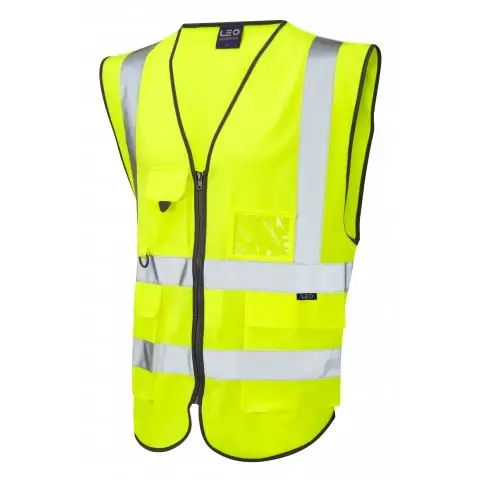
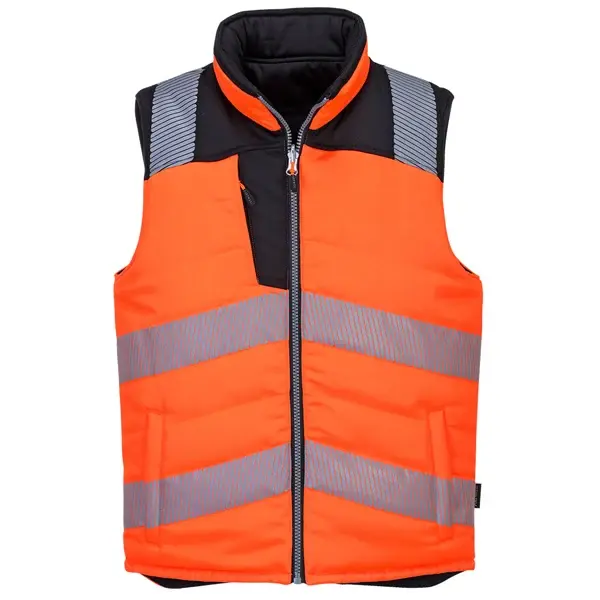
This innovative bodywarmer design is characterised by its stylish contemporary fit, multiple practical features and durable stain resistant fluorescent fabric.


 Posted 24 Nov 2026
 1
 2
 3
 4