Introduction
A warehouse safety failure rarely stays a safety issue. An injured colleague, damaged racking, blocked aisle or vehicle collision can interrupt fulfilment, delay deliveries and create costly rework.
In a busy warehouse, every minute counts. Orders need fulfilling, deliveries need managing and deadlines need meeting. But when operations move quickly, safety can become an afterthought.
Rushed processes, congested aisles, manual handling pressures and poorly maintained equipment all increase the risk of accidents. At the same time, safety measures that disrupt established workflows can frustrate employees and managers.
The solution is not to choose between safety and productivity. It is to make safety part of how the warehouse already operates.
By improving processes, involving employees and identifying risks early, warehouse managers can create safer working environments while keeping operations efficient. Slips, trips and falls and injuries from handling, lifting or carrying together account for around half of employer-reported non-fatal injuries in Great Britain, making these areas particularly important to address.
Here are seven practical ways to improve warehouse safety without slowing down your operation.
1. Make safety part of everyday processes
One of the most effective ways to improve warehouse safety is to build it into the way work is already carried out.
Rather than adding procedures employees struggle to follow, look for opportunities to incorporate safety checks into existing routines.
- Include equipment checks at the beginning of each shift.
- Build housekeeping into picking, packing and replenishment tasks.
- Make safety briefings part of regular team meetings.
- Include hazard reporting in existing communication channels.
- Ensure employees can report problems without unnecessary paperwork.
Daily pre-use checks are particularly useful for lift trucks and other lifting equipment; HSE notes that users may need to carry out simple pre-use or daily checks.
When safety becomes part of the normal working day, it is less likely to be viewed as an additional task. The goal is to make the safe way of working the easiest way of working.
2. Improve warehouse layout and traffic management
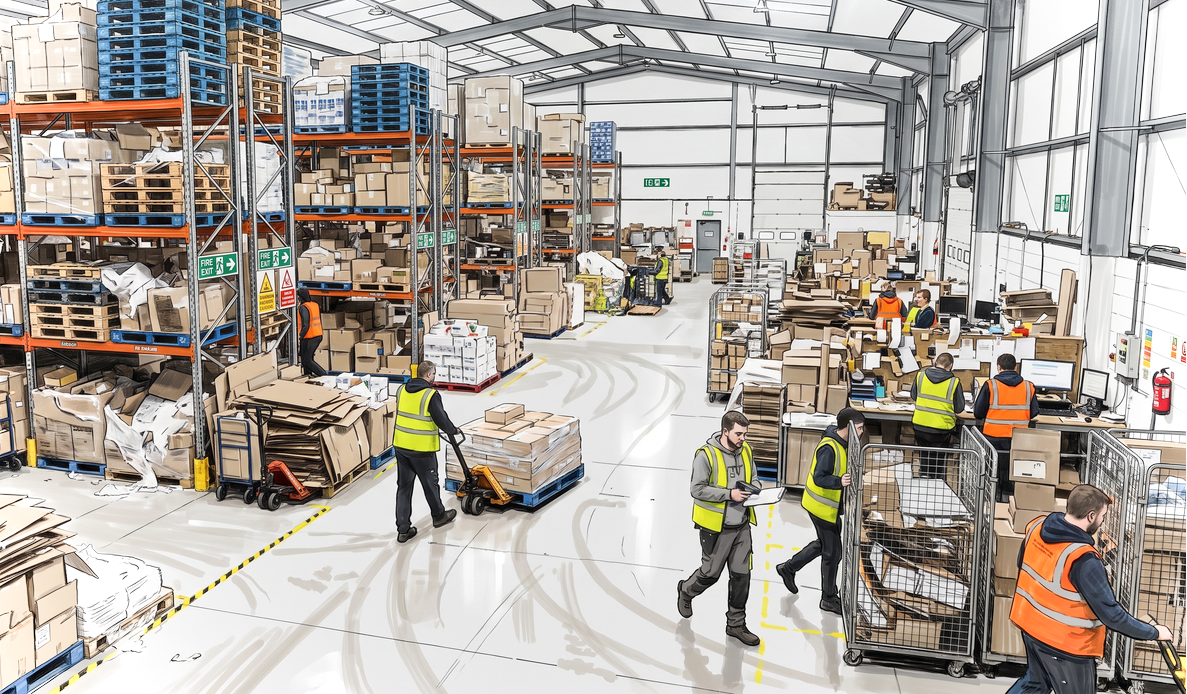
Warehouse traffic is a major safety consideration, particularly where forklifts, pallet trucks, delivery vehicles and pedestrians operate close together.
Poorly planned routes can create congestion, increase collision risk and cause unnecessary delays. A well-designed layout can address both problems.
- Separating pedestrian walkways from vehicle routes wherever reasonably practicable.
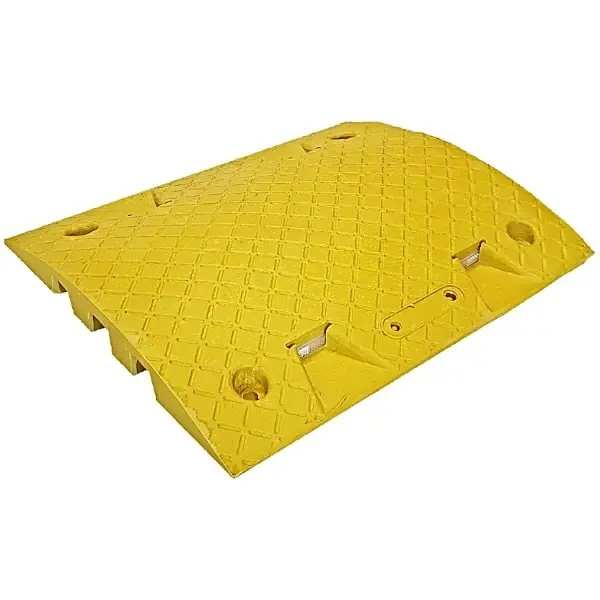
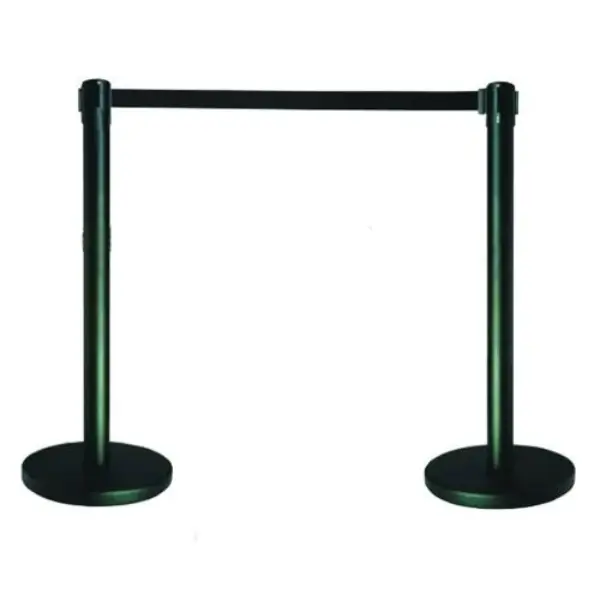
- Installing suitable barriers where traffic routes run close together.
- Clearly marking pedestrian crossings and vehicle routes.
- Keeping emergency exits and access routes unobstructed.
- Reviewing vehicle movements during busy periods and shift changes.
- Organising loading and unloading areas clearly.
- Using one-way systems where they can reduce reversing and conflicting movements.
HSE guidance recommends organising workplace traffic so pedestrians and vehicles can circulate safely, with physical separation where reasonably practicable. Route design should also limit reversing and prevent conflicting movements caused by two-way flow.
Where possible, reduce unnecessary vehicle movement altogether. Relocating frequently accessed stock closer to picking or packing areas can shorten travel distances, reduce congestion and make order fulfilment faster.
3. Reduce slips, trips and falls through better housekeeping
Slips, trips and falls can disrupt warehouse operations and cause preventable injuries. Loose packaging, damaged flooring, spillages, trailing cables and obstructed walkways can quickly become hazards in a busy environment.
The challenge is maintaining good housekeeping while stock is constantly moving.
A practical approach is to assign clear housekeeping responsibilities across every shift:
- Assign responsibility for specific zones.
- Keep aisles and walkways clear.
- Remove packaging waste promptly.
- Deal with spillages using the correct procedure.
- Report damaged flooring and other hazards quickly.
- Keep storage areas organised.
- Check lighting, especially in less-used areas, stairways and external routes.
Rather than relying on periodic deep cleans, build housekeeping into daily operations. A simple principle helps: if an employee identifies a hazard, they should know how to make the area safe or report it immediately.
This reduces the chance of small problems becoming significant safety concerns—and reduces time lost navigating avoidable obstructions.
4. Make manual handling safer and more efficient
Manual handling is a common challenge in warehousing, particularly where employees regularly lift, carry, push or pull goods. Poor lifting techniques, repetitive movements and unsuitable working arrangements can contribute to musculoskeletal injuries.
Improving manual handling safety does not have to slow operations down. In many cases, the most effective solution is to reduce the amount of manual handling required.
- Using mechanical handling equipment where appropriate.
- Reviewing the weight, size and shape of packages.
- Improving access to frequently handled products.
- Adjusting working heights where practicable.
- Reviewing repetitive tasks and workloads.
- Providing suitable training and instruction.
- Using HSE’s Manual Handling Assessment Chart (MAC) to identify higher-risk tasks.
For example, an appropriate trolley or pallet-handling aid can reduce physical strain while helping employees move goods more efficiently. HSE notes that mechanical aids can save time and money as well as prevent injuries.
The key is to assess the task rather than simply telling employees to lift more carefully. Where hazardous manual handling cannot be avoided, carry out a suitable risk assessment and put practical controls in place.
5. Provide the right PPE for the task
Personal protective equipment (PPE) helps protect warehouse employees from residual risks, but it should not be treated as the first or only control.
PPE needs to be suitable for the risks identified, fit the wearer correctly and remain effective throughout its working life. Poorly fitting, uncomfortable or incompatible PPE is less likely to be worn consistently and can even create new risks.
- Select PPE based on the specific task and risk assessment.
- Consider size, fit, compatibility, comfort and weight.
- Involve employees in selecting PPE where possible.
- Train employees on why PPE is needed and how to use it correctly.
- Store, clean and maintain PPE according to manufacturer instructions.
- Replace damaged, worn or expired PPE promptly.
- Review PPE whenever tasks, equipment or materials change.
For example, high-visibility clothing may be appropriate in vehicle areas, while gloves must be suitable for the handling task—ill-fitting gloves can reduce grip and dexterity. PPE should support safer work, not get in the way of it.
6. Maintain equipment, racking and storage areas
Safe operations depend on equipment and storage systems remaining in good condition. Forklifts, pallet trucks, conveyors, ladders, racking and storage equipment should be inspected, maintained and used within their intended limits.
- Carrying out pre-shift checks for powered equipment.
- Removing faulty equipment from use immediately.
- Keeping maintenance and inspection records.
- Checking racking for damage, overloading and missing components.
- Reporting vehicle impacts with racking straight away.
- Storing goods securely and within stated load limits.
- Protecting vulnerable racking from vehicle impact.
HSE highlights the importance of regular racking inspections, particularly where damage may create an immediate risk. A nominated person can carry out routine visual checks, while a competent specialist should inspect racking at appropriate intervals, typically no more than every 12 months.
Well-maintained equipment reduces unplanned downtime as well as safety risk. A fault identified during a two-minute check is usually easier and cheaper to resolve than a breakdown in the middle of a shift.
7. Involve employees and measure what matters
Employees often see risks before managers do. Involving them in safety improvements makes controls more practical and increases the likelihood that they will be followed.
- Short toolbox talks at shift starts.
- A straightforward hazard-reporting route, such as a QR code, app or designated supervisor.
- Regular walkarounds with team leaders.
- Feedback on whether new controls help or hinder productivity.
- Recognition for proactive hazard reporting.
- Refresher training after layout, equipment or process changes.
Also measure whether safety improvements are working. Useful indicators include:
- Near misses and hazard reports.
- Incidents involving vehicles, pedestrians, manual handling or slips and trips.
- Time lost to unplanned stoppages.
- Housekeeping audit results.
- Completion rates for pre-shift checks.
- Employee feedback on usability and workflow impact.
The aim is not to create more reporting for its own sake. It is to identify patterns early, fix recurring problems and demonstrate that safety improvements are supporting—not obstructing—efficient operations.
How to implement changes without disruption
Introduce safety improvements in stages rather than attempting a warehouse-wide overhaul all at once.
- Start with a short walkthrough. Identify the highest-risk areas: vehicle routes, loading bays, picking aisles, racking and manual handling tasks.
- Prioritise quick wins. Clear blocked walkways, repair damaged flooring, improve signage and introduce pre-shift equipment checks.
- Pilot changes in one area. Test a new layout, traffic route or handling aid before rolling it out warehouse-wide.
- Ask the people doing the work. Employees can identify practical obstacles that managers may miss.
- Review after a set period. Measure incident trends, near misses, throughput and employee feedback.
- Standardise what works. Turn successful pilots into standard operating procedures and include them in inductions and refresher training.
This approach limits disruption while ensuring changes are practical, adopted consistently and genuinely effective.
Key principle: The safest warehouse process should also be the simplest and most efficient process. Build safety into existing routines, design risks out where possible, and make it easy for employees to report and resolve problems.
Conclusion
Improving warehouse safety does not require slowing operations to a crawl. The most effective safety measures are built into everyday work: clear traffic routes, good housekeeping, reduced manual handling, suitable PPE, well-maintained equipment and employee involvement.
When the safe way of working is also the simplest way of working, warehouses can reduce risk, protect employees and maintain productivity.



 1
 2
 3
 4