How involving your teams in PPE selection drives better protection, lower costs, and stronger compliance across logistics and distribution operations.
When selecting PPE, the conversation almost always starts in the same place: protection rating, price, and suitability. Those are great starting points, but in our experience they're rarely what determines whether a safety programme fully succeeds, or not.
The most important factor is something we call workforce take-up: the willingness of your team to actually use the kit you provide, and to use it correctly, shift after shift.
Get this right, and a well-chosen product can outperform a premium one. Get it wrong, and no amount of spending will keep your people safe.
What Is Workforce Take-Up?
Workforce take-up is the degree to which your operatives are prepared and motivated to use the PPE their employer provides. It's not just about compliance (ticking a box). It's about consistent, correct use across every shift, every depot, every vehicle, and every warehouse floor.
A high take-up rate means PPE is being worn as intended, which is the only circumstance under which it can actually do its job. A low take-up rate, even with excellent equipment, means your people are exposed, your investment is largely wasted, and your organisation carries unnecessary risk day after day.
“If your workforce doesn't want to use a product, they'll either avoid it entirely or use it incorrectly.”
Both outcomes carry the same result: increased accident risk, shortened product lifespan, a disgruntled team, and wasted time and money at every level of your operation.
What Drives Workforce Take-Up?
Take-up isn't random. It's shaped by a consistent set of factors that employers can actively influence, and understanding them is the foundation of any effective PPE programme.
Familiarity
Operatives are more likely to engage with products they recognise, brands they've used before, or kit that feels similar to equipment they already trust.
Comfort
PPE that feels good gets worn. If a product is uncomfortable, too heavy, or restricts movement on a fast-paced pick, pack or delivery round, workers will find ways around using it.
Brand Reputation
Teams are often more receptive to brands they've heard of and trust. A reputable manufacturer signals quality and reinforces confidence in the equipment.
Perceived Protection
Workers need to feel protected, not just be told they are. If a product doesn't inspire confidence in the person wearing it, they will disengage.
How to Achieve High Take-Up
The most effective route to good workforce take-up is straightforward: involve your people in the selection process. Their feedback, gathered before you commit to a final purchase, is the most reliable indicator of whether a product will succeed in practice.
Run Wearer Trials
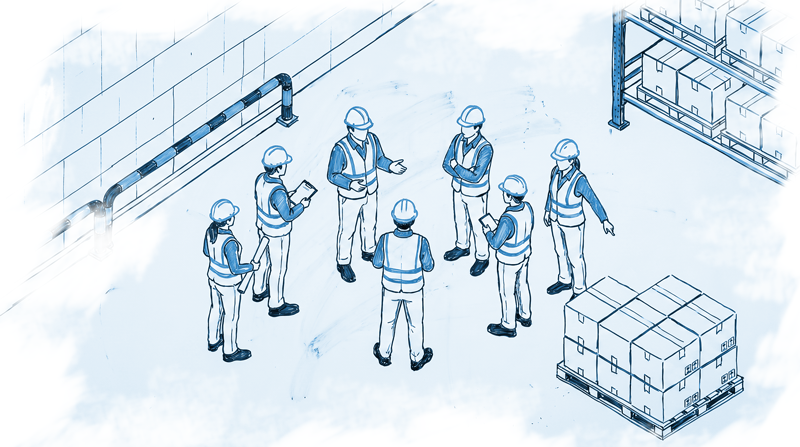
Before committing to any product across your sites, run a structured wearer trial. Give the kit to a representative group, let them use it in real working conditions, and collect honest feedback on comfort across a full shift, and whether they felt genuinely protected.
This is especially valuable for operations with distinct teams working very different roles under one roof, where a single product rarely suits everyone equally.
Make Selection Collaborative
Where possible, offer shortlisted options and let your teams choose between them. People who feel ownership over the decision are far more likely to use the selected product consistently. It doesn't have to be complicated: a simple trial with two or three options and a quick vote can make a significant difference across a large workforce.
Communicate the “Why”
Don't just issue PPE and expect compliance. Explain what risks the equipment addresses, how it was chosen, and why it matters for that specific role. When people understand the purpose of what they're wearing, they're more likely to take it seriously.
|
A NOTE ON COST-EFFECTIVENESS
Poor workforce take-up doesn't just create safety risks, it creates financial ones too. Products that aren't worn properly wear out faster, get left behind and lost, and generate complaints. Investing in the selection process upfront nearly always reduces the overall cost of ownership. Time matters most when you're managing PPE, especially across multiple sites.
|
The Bottom Line
PPE selection is not just a procurement decision; it's a people decision. The most protective, cost-effective outcome comes from choosing products your workforce believes in, is comfortable with, and actively wants to use.
That means building engagement into your selection process from the start: running wearer trials, gathering feedback, giving your teams a voice, and communicating clearly about the decisions you make.
At iSB Group, this is exactly the kind of thing we help our logistics, warehousing and distribution customers get right every day. As a single-source supplier trusted across the parcel courier, 3PL, cold storage and pallet distribution sectors, we know that the best-performing safety programmes are built with the workforce, not just for them.
Need help choosing the right PPE for your team?
We can advise on product selection, arrange wearer trials across your sites, and help you build a programme your workforce will actually engage with.




 1
1